Data report
Deflected or resolved: the metrics gap in AI support
AI keeps over 45% of contacts away from humans but fully closes only around 14%. Data on the deflection-resolution gap, with sources.
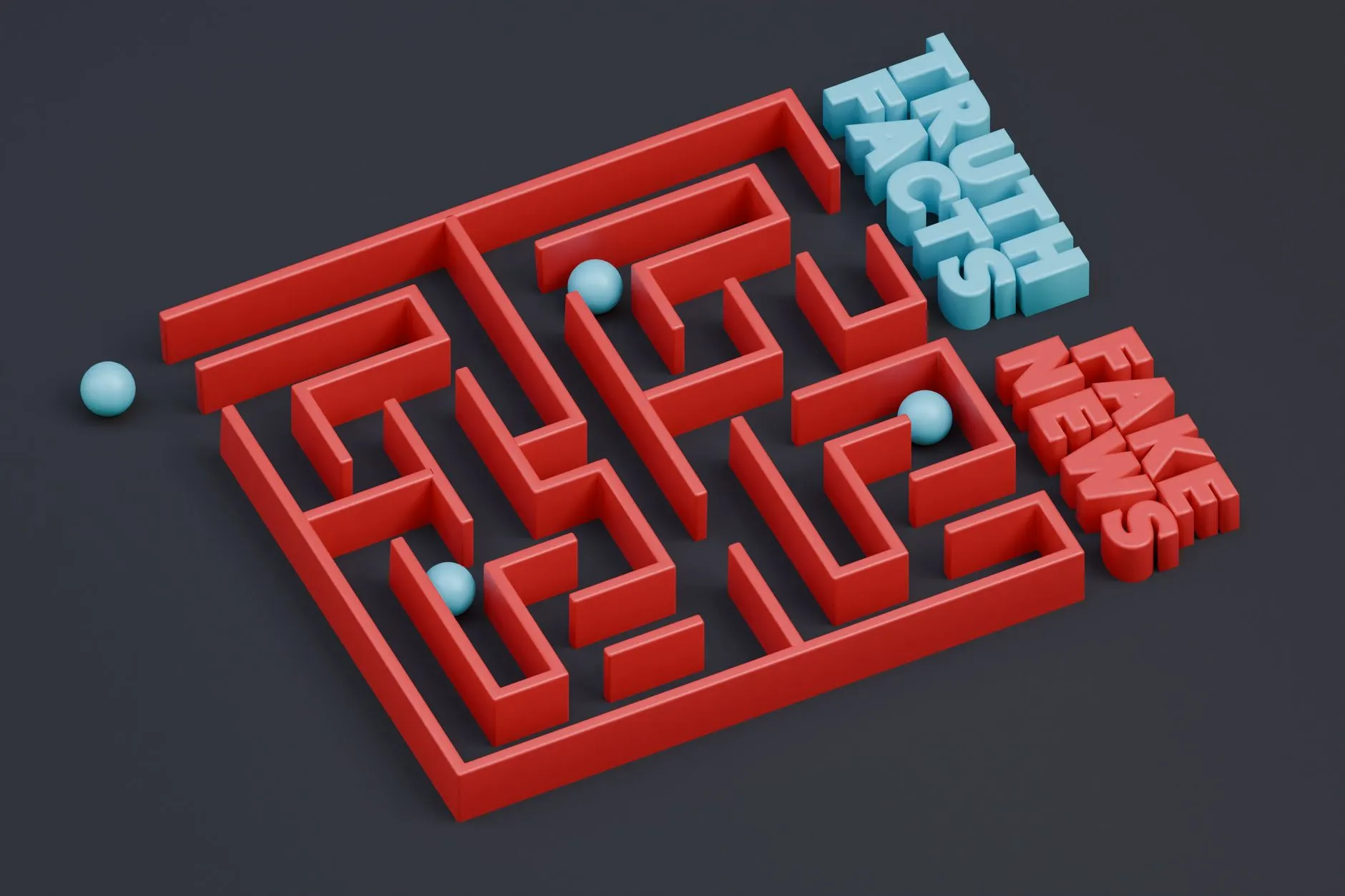
AI keeps over 45% of contacts away from human agents, but only around 14% reach full self-service resolution. The gap between those two metrics runs to 20–40 percentage points — and it’s what optimistic automation reporting conceals.
Key figures
- AI deflects over 45% of contacts from humans Industry AI support benchmarks, 2026
- Only around 14% reach full self-service resolution Industry AI support benchmarks, 2026
- Median self-service deflection — 22% (range 8–45%) Industry AI support benchmarks, 2026
- Tier-one median 41.2%, top quartile 58.7% Industry AI support benchmarks, 2026
What’s the difference between the two metrics?
What they count. Deflection is any conversation that never reached a human agent. Resolution is an issue closed from start to finish.
The first metric credits a customer who got an answer and a customer who gave up equally. The second only credits the first. That’s why deflection is convenient for reporting and nearly useless for understanding quality.
How large is the gap?
Substantial. Benchmarks show AI deflecting over 45% of contacts Industry AI support benchmarks, 2026 while only around 14% reach full self-service resolution Industry AI support benchmarks, 2026 , with the divergence between the two metrics across programmes running to 20–40 percentage points Industry AI support benchmarks, 2026 .
So in a typical programme most «deflected» contacts aren’t resolved. They either return later or become a lost customer the report never sees.
What levels count as normal?
It depends which tier you mean. Median self-service deflection is around 22% across a range of 8–45% Industry AI support benchmarks, 2026 , while for tier-one contacts the median is higher — 41.2% with a top quartile of 58.7% Industry AI support benchmarks, 2026 .
The spread here exceeds the difference between vendors, and that matters: deflection is driven primarily by contact mix and knowledge-base quality, not by platform choice.
What should you measure instead?
Repeat contacts. The most reliable indicator that a deflection was a genuine resolution is the absence of the same customer with the same question over the following days.
That metric is harder to collect and impossible to present as a large number in a report. But it’s what separates automation that removes work from automation that postpones it.
Where do these figures come from?
This report aggregates published 2026 AI support benchmarks. The metrics come from enterprise-level programmes; deflection and resolution are defined differently across vendors, which partly explains the spread in values. The ranges given describe inter-company variation rather than measurement uncertainty.
Frequently asked questions
-
01 What's the difference between deflection and resolution?
Deflection counts any conversation that never reached a human — including ones where the customer simply gave up. Resolution counts only fully closed issues. Benchmarks put the gap between the two at 20–40 percentage points.
-
02 How many contacts does AI actually close?
Published benchmarks show AI deflecting over 45% of contacts while only around 14% reach full self-service resolution. That's the gap hidden behind high deflection numbers.
-
03 What deflection levels are typical?
Median self-service deflection is around 22% across a range of 8–45%. For tier-one contacts the median is higher at around 41.2%, with a top quartile of 58.7%. The spread here exceeds the difference between vendors.
-
04 Why can high deflection be a bad sign?
Because it also rises when customers leave without an answer. A metric that counts a resolved issue and a person who gave up identically doesn't show quality — it shows load removed from agents.
-
05 What should you track instead of deflection?
The share of contacts closed without the customer returning over the following days. A repeat contact on the same issue is the most reliable indicator that a deflection was a deferral rather than a resolution.
Read next

What customers think about AI in support
Two-thirds of customers would prefer companies stopped using AI in support — even as deployment grows. Data on consumer attitudes.
Read report
Autonomous AI forecasts in support: 80% by 2029
Gartner projects agentic AI will autonomously resolve 80% of common issues by 2029. We set the forecast against current data.
Read report
Cost per contact: AI against a human agent
The cost gap between AI and human handling of a single contact is measured in orders of magnitude. 2026 cost-per-contact data with sources.
Read report
The retail chatbot market: how much business invests
How fast retail spending through chatbots is growing: data on the market size and its forecast — with primary sources.
Read report