Data report
Live commerce: stream conversion against a normal store
Live streams convert several times better than classic ecommerce. Data on live commerce market size and stream conversion, with sources.
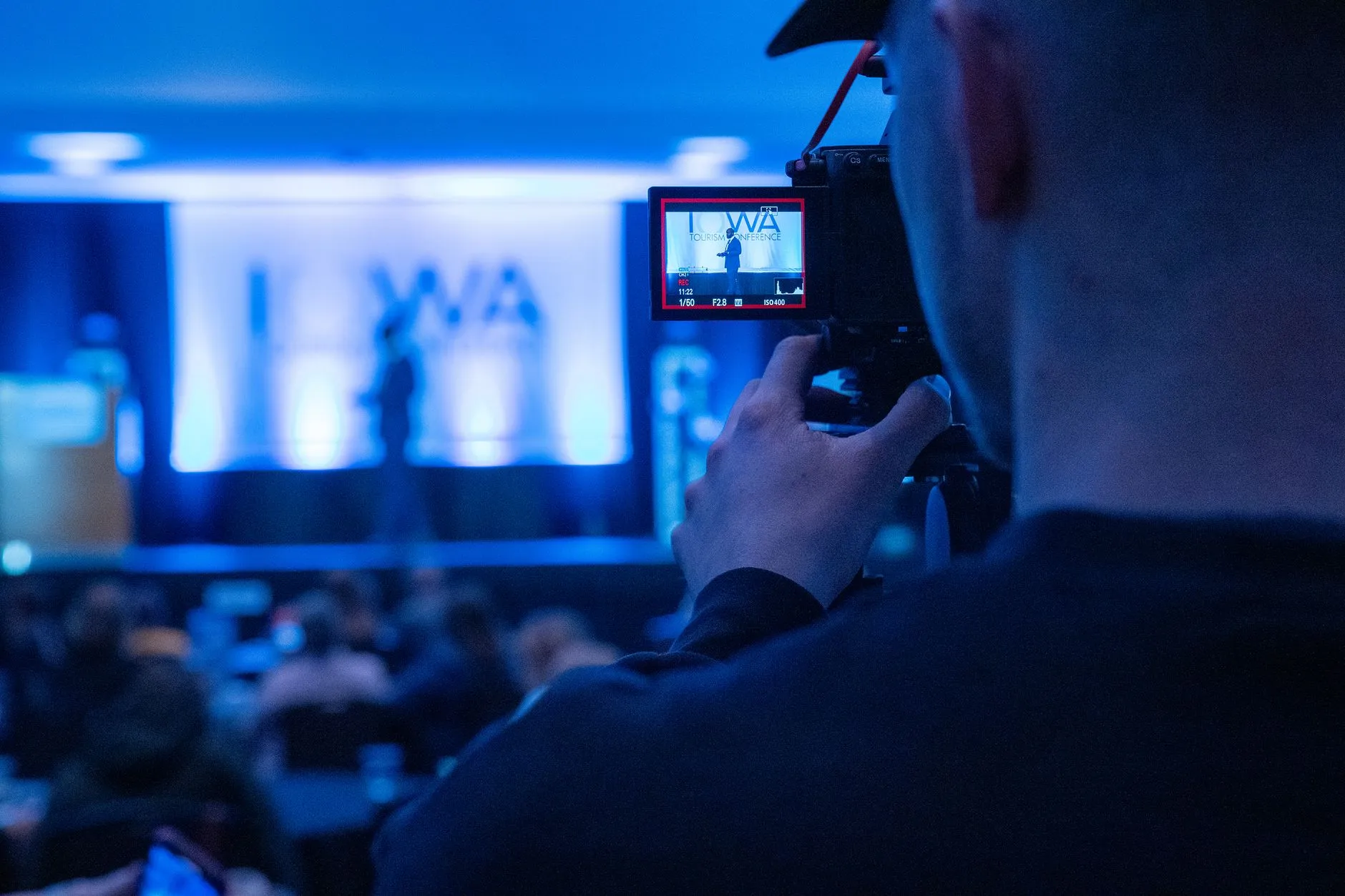
Live commerce events convert at roughly 9.5–15.2% against 2–3% in classic ecommerce — a several-fold difference. But the numbers can’t be compared directly: a stream draws an already-interested audience, not random traffic.
Key figures
- Live commerce event conversion — approximately 9.5–15.2% Industry live commerce estimates, 2026
- Classic ecommerce for comparison — 2–3% Industry benchmarks, 2026
- Market size: ≈$172.9bn in 2025 → ≈$230.3bn in 2026 Industry live commerce market reports, 2026
- Fashion and apparel — largest category at ≈20.6% of the market in 2025 Industry reports, 2026
How large is this market?
Large enough to stop being an experiment. Estimates give around $172.9 billion in 2025 with roughly $230.3 billion expected in 2026 Industry live commerce market reports, 2026 , at a projected growth rate of about 41% a year through 2033.
A seven-year forecast should be read as a scenario rather than a fact: horizons of that length in this category are revised regularly.
Do streams really convert several times better?
By published benchmarks yes — and the comparison is still unsound. Live commerce events convert at roughly 9.5–15.2% Industry live commerce estimates, 2026 against 2–3% in classic ecommerce Industry benchmarks, 2026 .
The difference comes from audience composition, not format. A site receives search and advertising traffic, including browsing; a stream receives people who already subscribed and deliberately set aside the time. The sounder reference is comparing a stream against a mailing to your own list.
Where does the format work best?
In visual categories. Fashion and apparel held the largest market share at around 20.6% in 2025 Industry reports, 2026 , and it’s there that some estimates report conversion up to 70% during streams.
That last figure needs care: it describes the best-executed events with preparation and advertising support, not an average stream from a small store.
What applies to a small seller?
The format, not the benchmark. Live streaming works because it removes the core problem of buying online — being unable to inspect a product and ask a question at the moment of choosing.
The practical reference for a store isn’t someone else’s average conversion but its own: how many Direct conversations opened during and after the stream, and how many reached an order. That figure compares against itself stream to stream and is therefore more informative than any market benchmark.
Where do these figures come from?
This report aggregates 2025–2026 industry estimates for live commerce market size and published conversion benchmarks for live streams. Conversion figures come mostly from prepared brand events and carry upward selection bias — they don’t describe an average stream. Forecast values are labelled separately.
Frequently asked questions
-
01 How much better do live streams convert?
Industry estimates put live commerce events at roughly 9.5–15.2% against 2–3% for classic ecommerce. That's a several-fold difference, but the sample is biased: what gets measured is mostly prepared brand events.
-
02 How large is the live commerce market?
Estimates give around $172.9 billion in 2025 with roughly $230.3 billion expected in 2026. The projected growth rate is about 41% a year through 2033 — an analyst estimate rather than recorded fact.
-
03 Why is stream conversion so high?
Because of audience composition. People who attend a stream are already interested in the brand, not random traffic. It's more accurate to compare a stream with a mailing to your own list than with overall site conversion.
-
04 Which categories work best?
Fashion and beauty. Fashion and apparel held the largest market share at around 20.6% in 2025, and some estimates in those categories report conversion up to 70% during streams. Those figures describe the best events, not the average.
-
05 Do these numbers transfer to a small business?
Carefully. Published benchmarks mostly describe prepared streams with advertising support. A more useful reference for a small store is its own Direct conversion after a stream, not someone else's market average.
Read next
Email, SMS and push: which of these numbers compare
Email opens sit at 21%, SMS at 90–98%. But they're measured differently. 2026 channel engagement data with the methodology explained.
Read report
The scale of Telegram: a billion users and 2.4m channels
Telegram passed a billion monthly active users. Data on audience, channels and the share on paid subscriptions, with sources.
Read report
The scale of TikTok Shop: what runs through a video storefront
TikTok Shop became the fastest-growing social commerce channel within a year. Data on GMV, market share and seller count, with sources.
Read report
Instagram and business: how many follow and buy
How closely Instagram users are tied to businesses: data on brand follows and weekly shopping — with a source.
Read report